Industrial workplaces are the backbone of manufacturing, production, logistics, pharmaceuticals, food processing, warehousing, and heavy engineering. However, these facilities also face a higher risk of fire due to electrical equipment, combustible materials, chemicals, machinery, welding activities, and high-temperature operations.
A fire incident can result in severe financial losses, operational downtime, property damage, environmental impact, and, most importantly, risk to human life. Implementing effective Industrial Fire Safety measures is therefore not only a legal responsibility but also a crucial business investment.
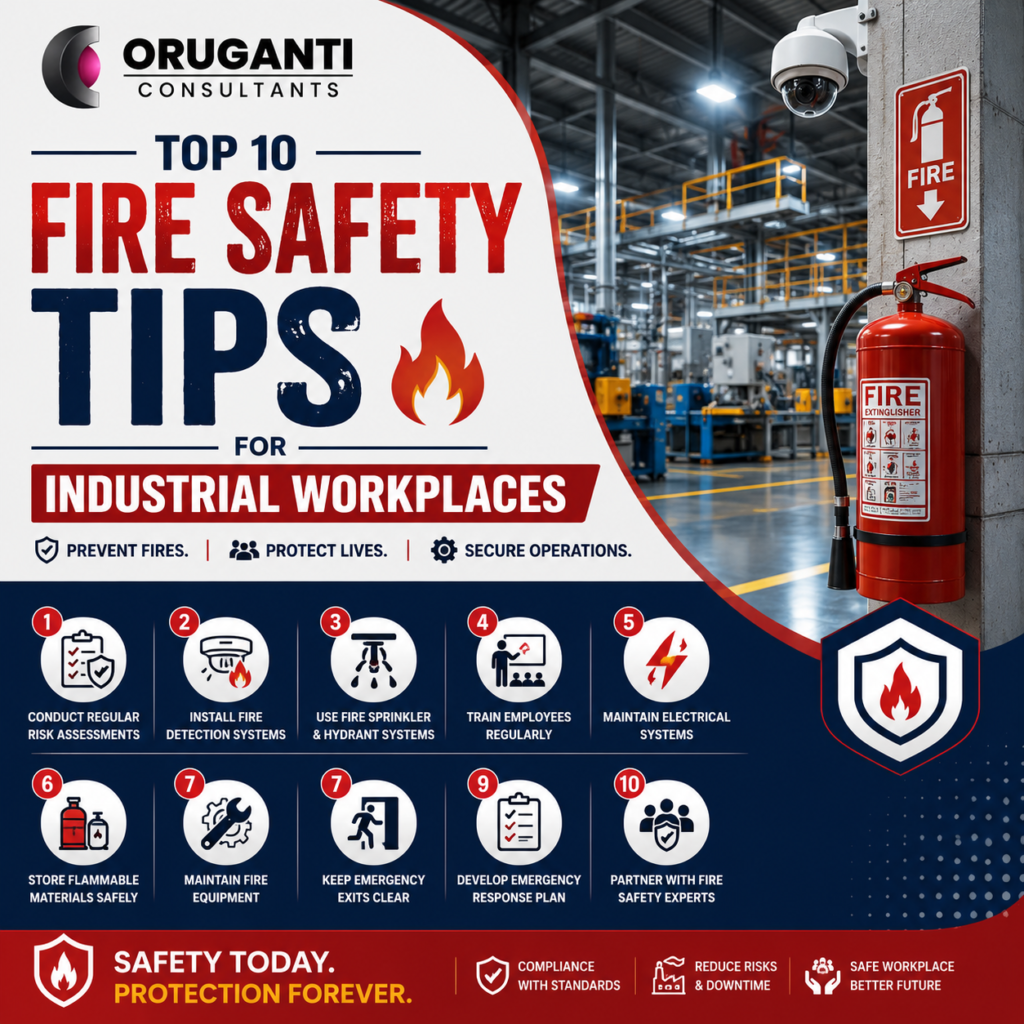
In this guide, we share the Top 10 Industrial Fire Safety Tips that every factory, warehouse, and industrial facility should implement to create a safer workplace and reduce fire-related risks.
Why Industrial Fire Safety is Important
Industrial facilities contain numerous fire hazards, including:
- Electrical panels
- Heavy machinery
- Flammable liquids
- Gas cylinders
- Welding operations
- Chemical storage
- Fuel tanks
- Packaging materials
- Dust accumulation
- High-temperature production processes
Without proper fire protection systems and emergency planning, a minor incident can escalate into a major disaster.
Effective Industrial Fire Safety helps:
- Protect employees
- Reduce property damage
- Minimize production downtime
- Improve business continuity
- Enhance customer confidence
- Support regulatory compliance
- Reduce long-term operational risks
1. Conduct Regular Fire Risk Assessments
Every industrial facility should perform periodic fire risk assessments to identify potential hazards before they become serious incidents.
Areas to inspect include:
- Electrical systems
- Storage areas
- Chemical handling zones
- Machinery
- Production lines
- Utility rooms
- Generator rooms
Regular assessments allow organizations to prioritize improvements and strengthen preventive measures.
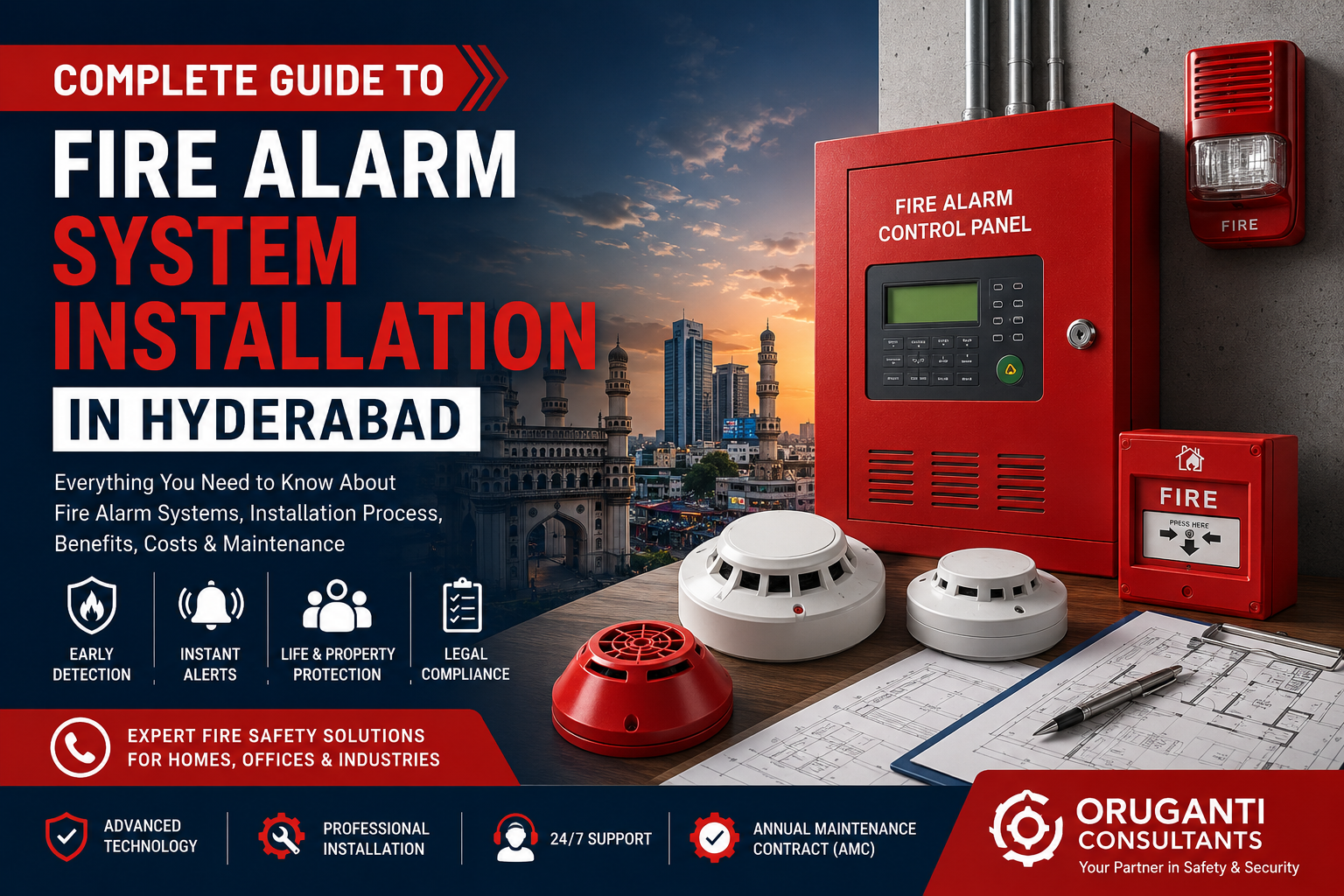
2. Install Reliable Fire Detection Systems
Early detection is one of the most effective ways to minimize fire damage.
A professionally designed Fire Alarm System provides:
- Smoke detection
- Heat detection
- Audible alarms
- Visual notifications
- Rapid emergency response
Early alerts enable employees to evacuate safely while emergency teams respond quickly.
3. Install Fire Hydrant & Fire Sprinkler Systems
Every industrial facility should have an integrated fire protection system.
Recommended systems include:
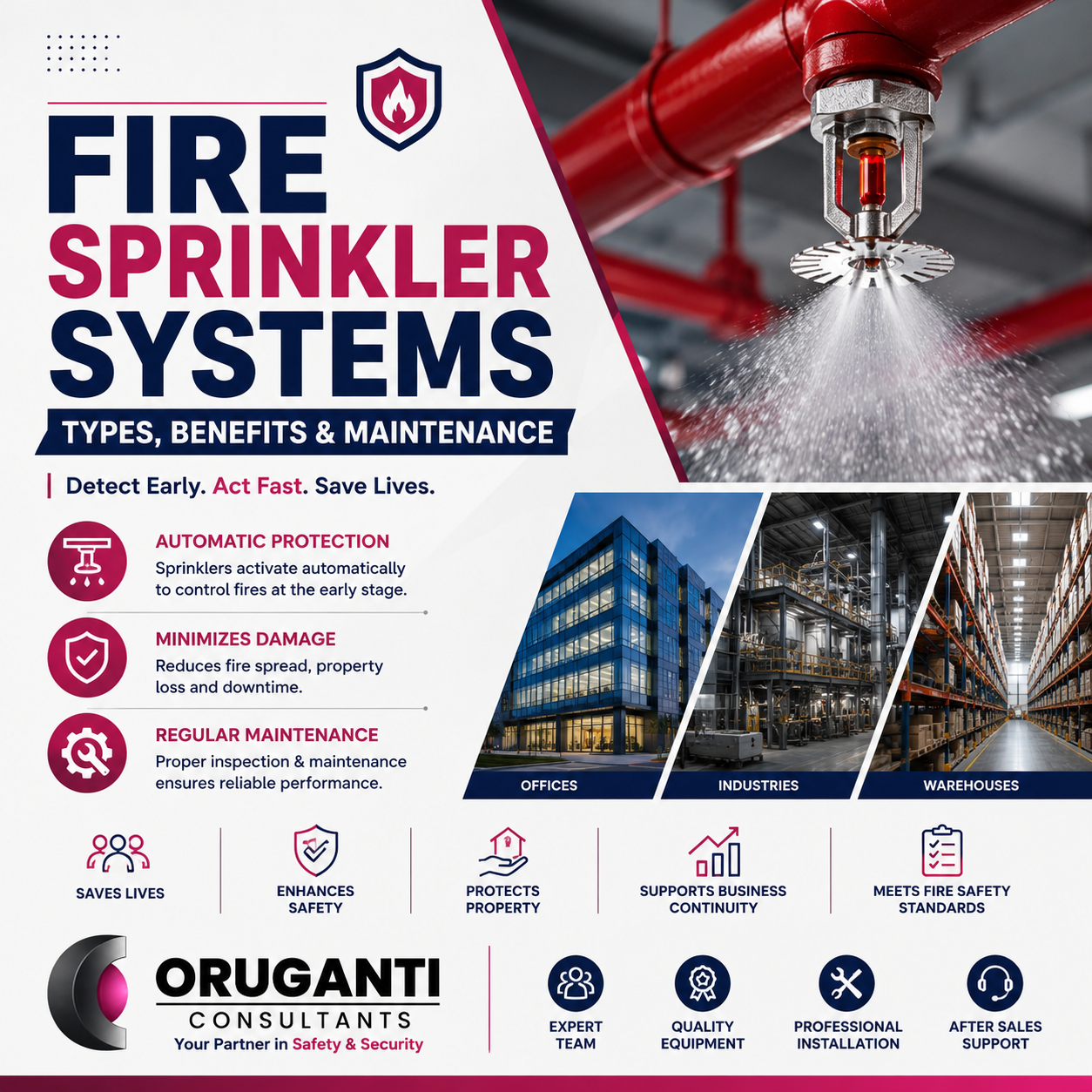
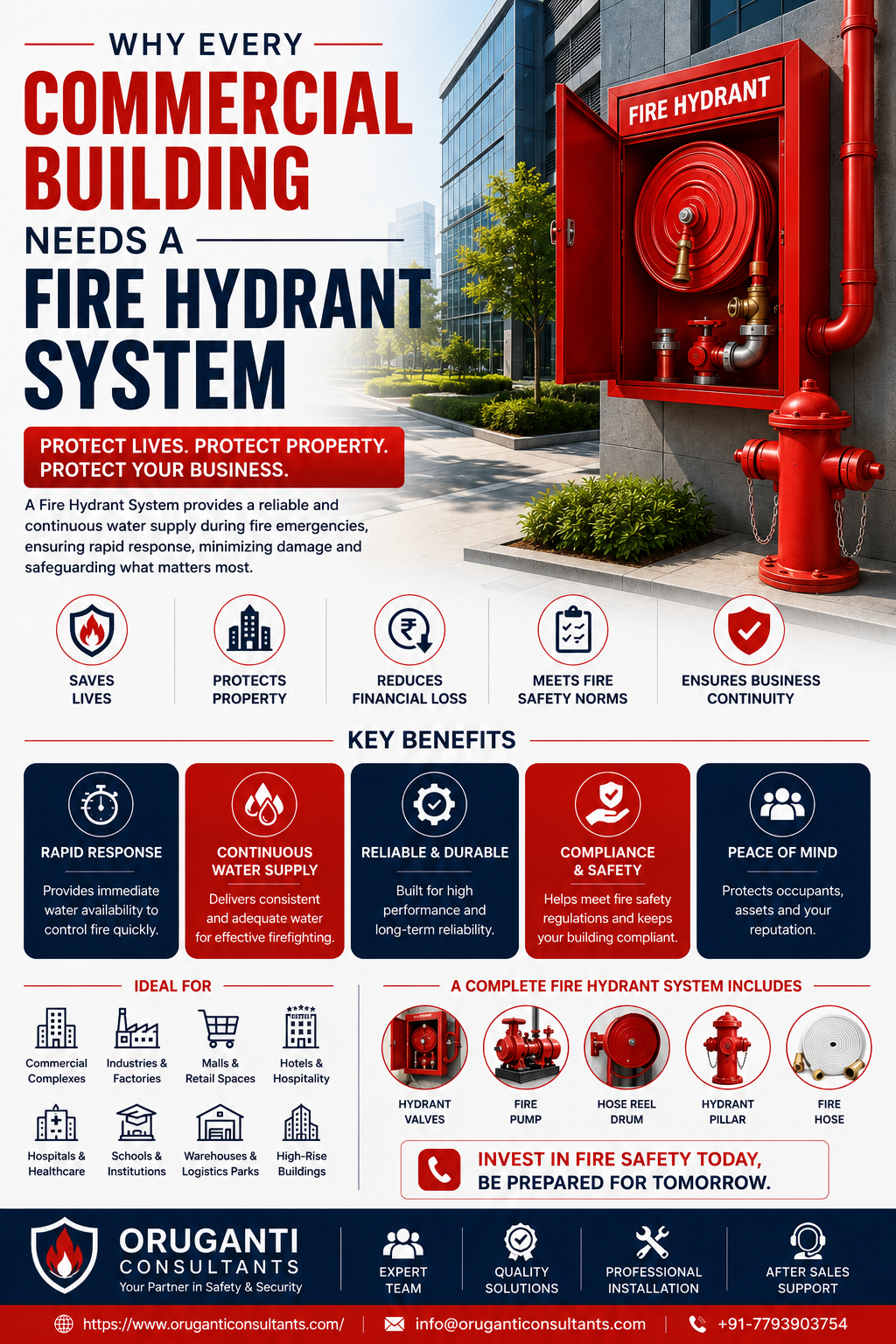
- Fire Hydrant System
- Fire Sprinkler System
- Fire Pumps
- Hose Reel Systems
- Water Storage Tanks
These systems help suppress fires before they spread across production areas.
4. Train Employees Regularly
Technology alone cannot prevent every emergency.
Employees should receive regular training covering:
- Fire prevention
- Fire extinguisher usage
- Emergency evacuation
- Alarm procedures
- Hazard identification
- Emergency reporting
Conduct fire drills at scheduled intervals to improve preparedness.
5. Maintain Electrical Systems
Electrical faults remain one of the leading causes of industrial fires.
Preventive maintenance should include:
- Panel inspections
- Cable testing
- Load balancing
- Thermal scanning
- Loose connection checks
- Earthing verification
Never overload electrical circuits or use damaged wiring.
6. Store Flammable Materials Safely
Industrial facilities often store:
- Chemicals
- Fuels
- Paints
- Solvents
- Gas cylinders
- Lubricants
These materials should be:
- Clearly labeled
- Stored in designated areas
- Kept away from ignition sources
- Managed according to safety procedures
Proper storage significantly reduces fire risks.
7. Maintain Fire Protection Equipment
Installing fire safety equipment is only the first step.
Regular maintenance should include:
- Fire alarm testing
- Sprinkler inspections
- Hydrant pressure testing
- Fire pump testing
- Hose inspection
- Fire extinguisher servicing
Preventive maintenance ensures equipment performs when needed most.
8. Keep Emergency Exits Clear
Emergency exits should always remain:
- Clearly marked
- Well illuminated
- Easily accessible
- Free from obstructions
Blocked escape routes can delay evacuation during emergencies.
9. Develop an Emergency Response Plan
Every workplace should have a documented emergency response plan covering:
- Evacuation procedures
- Emergency contacts
- Assembly points
- Fire wardens
- Communication procedures
- Emergency shutdown processes
Employees should know exactly what to do during a fire emergency.
10. Partner with Professional Fire Safety Experts
Industrial fire protection requires specialized knowledge.
Working with experienced professionals helps ensure:
- Correct system design
- Reliable equipment selection
- Professional installation
- Preventive maintenance
- Periodic inspections
- System upgrades
A trusted fire safety partner helps organizations maintain long-term protection.
Common Fire Hazards in Industrial Facilities
Watch for these common risks:
- Electrical short circuits
- Hot work (welding & cutting)
- Chemical spills
- Gas leaks
- Poor housekeeping
- Overheated machinery
- Smoking in restricted areas
- Improper storage
- Dust explosions
- Equipment malfunction
Routine inspections help identify these hazards early.
Benefits of Strong Industrial Fire Safety
Implementing robust fire safety measures provides long-term advantages:
- Protects employees
- Safeguards expensive machinery
- Reduces operational downtime
- Improves business continuity
- Enhances workplace confidence
- Supports insurance requirements
- Protects company reputation
- Reduces financial losses
Why Choose Oruganti Consultants?
Oruganti Consultants provides complete fire protection and industrial safety solutions for factories, warehouses, commercial buildings, healthcare facilities, educational institutions, and infrastructure projects.
Our Services
- Fire Alarm Systems
- Fire Hydrant Systems
- Fire Sprinkler Systems
- Fire Extinguisher Solutions
- Fire Safety Audits
- Annual Maintenance Contracts (AMC)
- CCTV Surveillance Systems
- Access Control Systems
- Electronic Security Solutions
Why Businesses Choose Us
- Experienced engineering team
- Customized solutions
- Professional installation
- Quality equipment
- Preventive maintenance
- Timely project execution
- Reliable after-sales support
Frequently Asked Questions
What is Industrial Fire Safety?
Industrial Fire Safety refers to the policies, procedures, systems, and equipment used to prevent, detect, control, and respond to fire hazards in industrial workplaces.
How often should fire safety equipment be inspected?
Inspection frequency should follow manufacturer recommendations, internal maintenance schedules, and applicable regulations. Routine preventive maintenance is essential.
What is the most common cause of industrial fires?
Common causes include electrical faults, hot work, flammable materials, equipment failures, and poor housekeeping. The exact risks vary by industry.
Why are fire drills important?
Fire drills help employees become familiar with evacuation procedures and improve emergency response during real incidents.
Why should industries invest in professional fire protection systems?
Professionally designed systems improve reliability, support safer operations, and help organizations manage fire risks more effectively.
Conclusion
Strong Industrial Fire Safety practices protect people, property, equipment, and business operations. By combining preventive maintenance, employee training, reliable fire protection systems, and regular inspections, industrial organizations can significantly reduce fire risks and improve workplace safety.
Whether you’re operating a manufacturing plant, warehouse, pharmaceutical facility, logistics hub, or commercial production unit, investing in professional fire safety solutions is a proactive step toward long-term operational resilience.
At Oruganti Consultants, we deliver end-to-end fire protection solutions—from system design and installation to inspections and preventive maintenance—helping businesses create safer and more secure workplaces.
Protect Your Workplace Today
Looking to strengthen your Industrial Fire Safety program?
Contact Oruganti Consultants for expert guidance, site assessments, and customized fire protection solutions tailored to your industry.