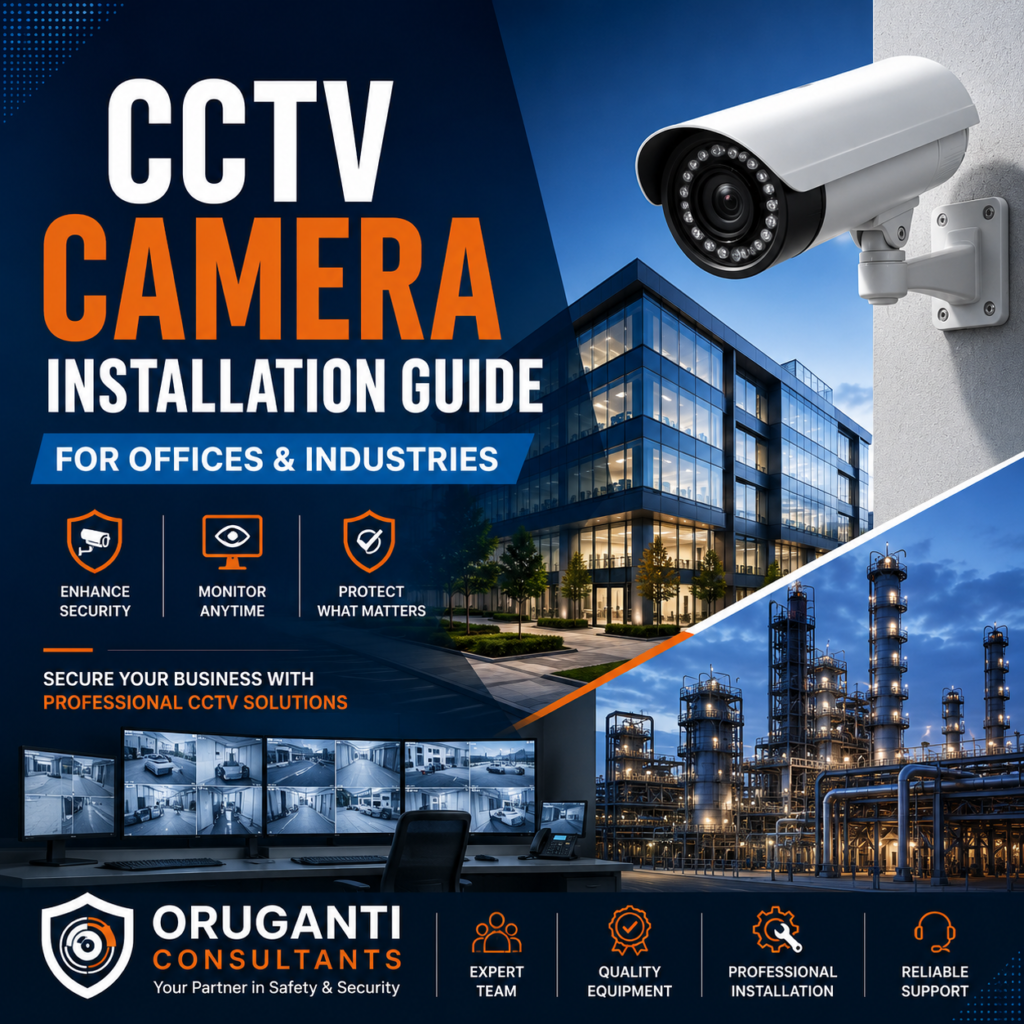
In today’s business environment, security is no longer optional—it’s an essential part of protecting employees, customers, assets, and operations. Whether you manage a corporate office, manufacturing plant, warehouse, hospital, retail outlet, or educational institution, investing in a professional CCTV surveillance system can significantly improve safety and operational efficiency.
If you’re searching for CCTV Installation Hyderabad, this guide will help you understand everything from selecting the right cameras to planning installation, maintaining the system, and maximizing long-term value.
Why CCTV Surveillance Matters for Businesses
A professionally installed CCTV system does much more than record footage. It provides real-time monitoring, deters criminal activity, supports investigations, and helps organizations maintain a safe working environment.
Modern CCTV systems offer features such as:
- 24/7 surveillance
- High-definition video recording
- Remote monitoring through smartphones
- Motion detection alerts
- Night vision
- Cloud and local storage
- AI-based analytics
- Integration with access control systems
These capabilities help businesses respond faster to incidents and improve overall security.
Benefits of CCTV Installation in Hyderabad
Installing a CCTV system provides several business advantages.
1. Crime Prevention
Visible security cameras discourage theft, vandalism, and unauthorized access.
2. Employee Safety
Employees feel safer knowing the workplace is continuously monitored.
3. Asset Protection
Protect expensive equipment, inventory, confidential documents, and company property from damage or theft.
4. Remote Monitoring
Business owners can monitor multiple locations from anywhere using a smartphone, tablet, or computer.
5. Incident Investigation
Recorded footage helps identify the cause of accidents, disputes, or security breaches.
6. Improved Productivity
Employees often follow workplace policies more consistently when they know operations are monitored appropriately.
Types of CCTV Cameras
Choosing the right camera depends on your environment and security objectives.
Dome Cameras
Ideal for:
- Offices
- Retail Stores
- Hospitals
- Reception Areas
Advantages
- Compact design
- Wide viewing angle
- Difficult to determine viewing direction
Bullet Cameras
Best suited for:
- Parking Areas
- Warehouses
- Building Perimeters
- Industrial Facilities
Advantages
- Long-distance viewing
- Weather-resistant options
- Excellent outdoor performance
PTZ Cameras (Pan-Tilt-Zoom)
Recommended for:
- Large campuses
- Manufacturing units
- Airports
- Shopping malls
Advantages
- Remote control
- Optical zoom
- Wide coverage
IP CCTV Cameras
The preferred choice for modern businesses.
Features
- High-definition video
- Remote access
- Network connectivity
- AI analytics
- Cloud integration
Thermal Cameras
Used in:
- Critical infrastructure
- Industrial plants
- Restricted zones
- Perimeter security
These cameras detect heat signatures even in low-visibility conditions.
Choosing the Right CCTV System
Before installation, consider:
- Building size
- Number of entry and exit points
- Lighting conditions
- Indoor vs. outdoor locations
- Required video quality
- Storage duration
- Internet availability
- Future expansion plans
A professional site survey helps determine the most effective surveillance layout.
CCTV Installation Process
Professional installation typically follows these steps:
Step 1 – Site Inspection
Engineers evaluate:
- Building layout
- Blind spots
- High-risk areas
- Cabling routes
- Network infrastructure
Step 2 – Security Planning
The surveillance plan identifies:
- Camera locations
- Viewing angles
- Recording requirements
- Network configuration
- Storage capacity
Step 3 – Equipment Selection
Choose reliable equipment, including:
- Cameras
- DVR or NVR
- Hard drives
- Power supplies
- Network switches
- UPS backup
Step 4 – Installation
Technicians install:
- Cameras
- Cabling
- Mounting brackets
- Recording equipment
- Network devices
Step 5 – Configuration
The system is configured for:
- Live monitoring
- Mobile access
- Motion detection
- Recording schedules
- User permissions
Step 6 – Testing & Training
All cameras are tested, and staff are trained on system operation, playback, and basic troubleshooting.
Best Locations for CCTV Cameras
For offices:
- Main entrance
- Reception
- Parking area
- Server room
- Corridors
- Cash handling areas
- Emergency exits
For industries:
- Production floor
- Warehouses
- Loading docks
- Control rooms
- Perimeter fencing
- Fuel storage
- Material handling zones
Proper placement ensures maximum coverage while respecting privacy requirements.
CCTV Maintenance Tips
Regular maintenance keeps your surveillance system reliable.
Recommended tasks include:
- Cleaning camera lenses
- Checking image quality
- Inspecting cables and connectors
- Testing recording devices
- Reviewing storage capacity
- Updating firmware
- Verifying remote access
- Replacing faulty components promptly
Preventive maintenance reduces downtime and extends equipment life.
Common Mistakes to Avoid
Avoid these frequent issues:
- Installing too few cameras
- Ignoring blind spots
- Using low-resolution cameras
- Skipping regular maintenance
- Poor lighting around cameras
- Insufficient storage capacity
- Weak password protection
- Not backing up critical footage
Why Choose Professional CCTV Installation?
Professional installation provides:
- Correct camera positioning
- Better image coverage
- Secure network configuration
- Reliable performance
- Clean cable management
- Future scalability
- Ongoing technical support
A professionally installed system performs more effectively than a DIY setup.
Why Choose Oruganti Consultants?
Oruganti Consultants delivers complete electronic security solutions for commercial, industrial, healthcare, educational, and government organizations.
Our CCTV Services
- CCTV Camera Installation
- IP CCTV Systems
- Network Video Recorders (NVR)
- Digital Video Recorders (DVR)
- Remote Monitoring Solutions
- Video Analytics
- Annual Maintenance Contracts (AMC)
- CCTV System Upgrades
- Security Audits
Why Businesses Trust Us
- Experienced security professionals
- Customized surveillance solutions
- High-quality equipment
- Professional installation
- Reliable after-sales support
- Preventive maintenance services
- Timely project completion
Frequently Asked Questions
Which CCTV camera is best for offices?
IP CCTV cameras are widely preferred for offices because they provide high-definition video, remote access, and easy scalability.
How many cameras does a commercial building need?
The number depends on building size, entry points, risk areas, and operational requirements. A site assessment helps determine the ideal configuration.
Can I monitor CCTV cameras on my phone?
Yes. Most modern CCTV systems support secure remote viewing through mobile applications.
How often should CCTV systems be maintained?
Routine inspections and preventive maintenance help maintain image quality, storage reliability, and overall system performance.
Can CCTV systems integrate with access control?
Yes. Modern surveillance systems can integrate with access control, biometric attendance, intrusion alarms, and other building security systems.
Conclusion
A professionally designed CCTV system is one of the most effective ways to improve workplace security, protect valuable assets, and support business continuity. From offices and retail stores to factories and warehouses, the right surveillance solution helps organizations monitor operations, respond to incidents quickly, and create a safer environment.
If you’re looking for CCTV Installation Hyderabad, Oruganti Consultants provides end-to-end CCTV solutions—from consultation and system design to installation, configuration, and ongoing maintenance.
Secure Your Business Today
Protect your office or industrial facility with a professionally installed CCTV surveillance system.
Contact Oruganti Consultants for a site survey and customized CCTV security solution tailored to your business.